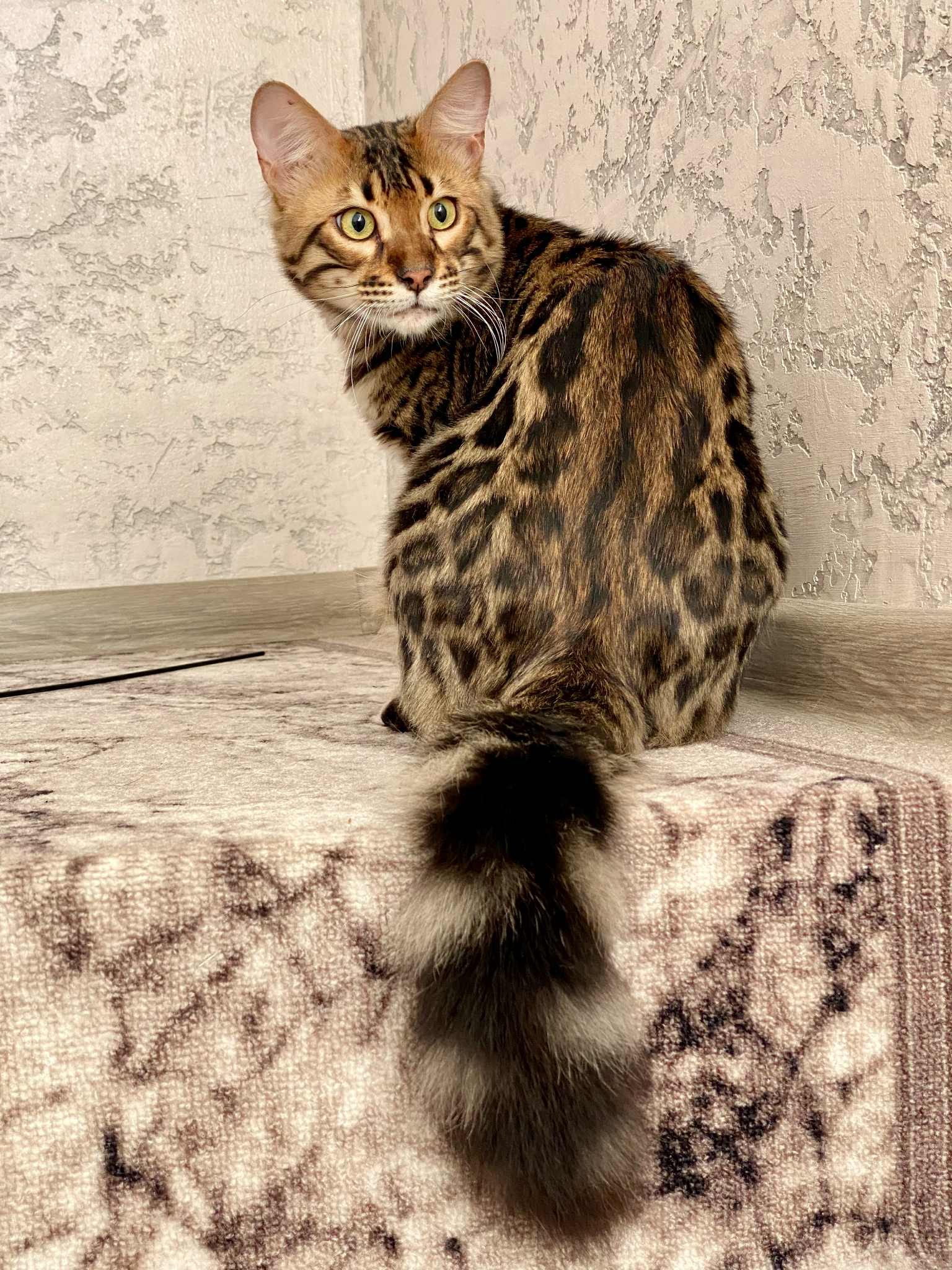
The Bengal breed has always carried a quiet secret — a recessive gene that occasionally produces something unexpectedly soft, unexpectedly long, unexpectedly breathtaking. Breeders called them "long-haired Bengals" for years. Some sold them quietly as pets. Others tried to pretend they hadn't happened at all. Now, finally, they have an official name: the Cashmere Bengal.
TICA formally recognized the Cashmere Bengal as a separate breed in recent years, and the cat fancy community is still catching up to what that means. For buyers who have always been drawn to the idea of a Bengal — the wild markings, the athletic intelligence, the sheer presence — but wanted something a little softer in texture, the Cashmere is a revelation.
What Is a Cashmere Bengal?
A Cashmere Bengal is a long-haired Bengal. The coat length is produced by a recessive gene — both parents must carry one copy of the long-hair gene for a Cashmere kitten to appear in a litter. Because most Bengal breeders have historically bred exclusively for the short, dense, glittery coat that defines the standard Bengal, the long-hair gene has been present in many bloodlines for years without anyone realizing it.
The coat itself is not the same as a Persian or Maine Coon. It is silky rather than fluffy, semi-long rather than dramatically long, and it lies close enough to the body to show the Bengal's extraordinary muscular structure underneath. The rosettes, spots, and marble patterns that make Bengals so visually striking are fully visible — in some cases even more dramatic because the longer coat catches light differently.
"The Cashmere is what happens when the Bengal's wild beauty gets wrapped in something unexpectedly gentle. Same fire. Different texture."
Recognition and What It Means
TICA's recognition of the Cashmere Bengal as a distinct breed is significant for several reasons. It means Cashmere Bengals can now be shown, evaluated, and titled under their own breed standard rather than being disqualified from Bengal competition as a coat fault. It creates accountability — breeders producing Cashmeres are now producing a recognized breed, not a pet-quality accident. And it opens the door for deliberate, quality-focused Cashmere breeding programs.
For buyers, recognition means protection. A recognized breed has a published standard, registered bloodlines, and breeders who are accountable to a registry. It is no longer a category where corners can be cut without consequence.
Temperament and Care
In temperament, the Cashmere Bengal is identical to a standard Bengal. Same intelligence, same energy, same need for stimulation and engagement. The coat requires slightly more maintenance than a short-haired Bengal — a weekly brush to prevent matting — but it is nothing like the intensive grooming a Persian demands. For most families, it is a minor addition to the routine.
What families consistently report is that the Cashmere's slightly softer texture makes it feel even more luxurious to touch than a standard Bengal — which is saying something, given how extraordinarily silky a quality Bengal coat already is.
What This Means for Empress
At Empress Bengal Cattery, we breed Bengals against the TICA and CFA standards. As awareness of the Cashmere grows and the breed standard develops further, it is a category we watch closely. The wild beauty of the Bengal — in all its expressions — is what drives this program, and the Cashmere is simply another expression of that beauty.
If you are interested in the Cashmere Bengal specifically, we are happy to discuss what is possible within our breeding program and point you toward reputable breeders who specialize in the long-hair expression.
Interested in Learning More?
We love talking about the Bengal breed in all its forms. Reach out and let's start a conversation.
Get In Touch