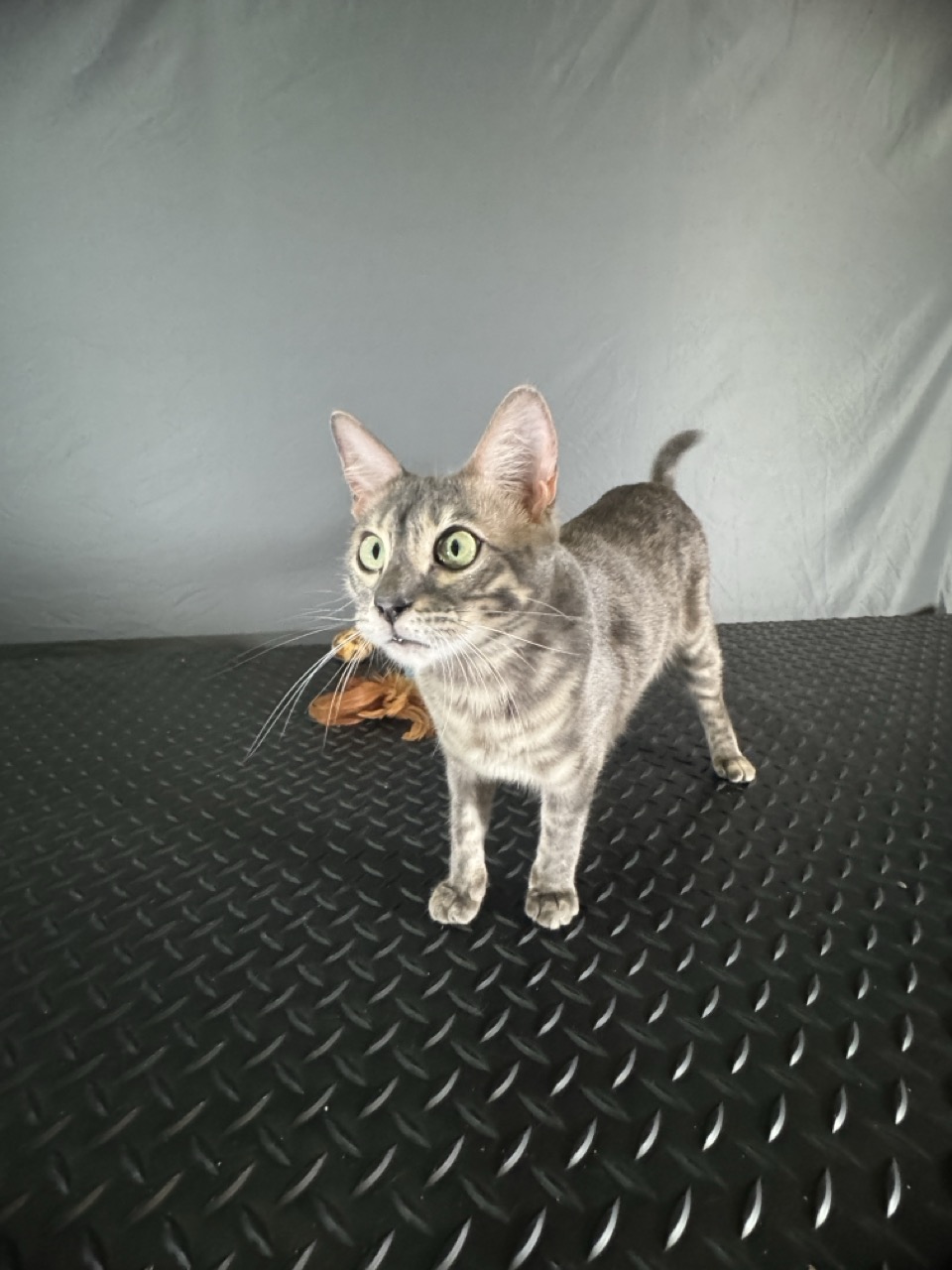
Every kitten that leaves Empress Bengal Cattery goes home on a raw diet. This is not a preference — it is a requirement of our adoption contract, and it is one we stand behind completely. Bengals are not built the same way as most domestic cats, and what you put in their bowl has a direct and measurable impact on their coat, their digestion, their energy, and their long-term health.
The Obligate Carnivore Problem
All cats are obligate carnivores — they require animal protein to survive and cannot synthesize certain essential nutrients from plant sources the way dogs or humans can. But Bengals, with their closer genetic proximity to the Asian Leopard Cat, seem to express this requirement more acutely than most domestic breeds. Their digestive systems are shorter, their metabolisms run hotter, and their bodies are simply not designed to process the high-carbohydrate, heavily processed diets that fill most pet store shelves.
The result, when Bengals are fed primarily on dry kibble, is often visible: dull coats, loose stools, digestive upset, and a level of chronic low-grade inflammation that shortens healthy lifespan. These are not inevitable outcomes of owning a Bengal. They are the outcomes of feeding a Bengal incorrectly.
"The coat tells you everything. A Bengal on a quality raw diet glows — genuinely glows — in a way that no kibble-fed cat ever will."
What Raw Feeding Actually Means
Raw feeding for cats means providing unprocessed animal protein — muscle meat, organ meat, and raw meaty bones — either as a balanced commercial raw diet or as a home-prepared diet formulated to meet feline nutritional requirements. It does not mean tossing a chicken breast in a bowl and calling it done. A properly balanced raw diet meets all of a cat's nutritional needs without the fillers, starches, and artificial preservatives that characterize most commercial pet food.
Commercial raw options have improved dramatically in recent years. Brands like Primal, Stella & Chewy's, and Darwin's offer frozen or freeze-dried raw diets that are balanced, convenient, and widely available. For families who want to prepare food at home, recipes formulated with the guidance of a veterinary nutritionist are the safest approach.
What We See at Empress
The difference between our raw-fed adults and Bengals we have seen come in from kibble-based diets is not subtle. Our cats have coats that catch light differently — the glitter gene that Bengals carry expresses most fully on a diet that supports coat health at the cellular level. Their stools are smaller, firmer, and less odorous. Their digestion is calm. Their energy is sustained rather than spiked.
We have also seen what happens when new owners switch to kibble despite our guidance, and then switch back. The coat dulls within weeks on dry food. It recovers within weeks on raw. The evidence is in the cat.
Transitioning a New Kitten
Our kittens go home already eating raw, which makes the transition seamless for new owners who continue the diet. For families adopting an older Bengal not previously on raw, transition should be gradual — mixing small amounts of raw into the existing diet and increasing the ratio over two to four weeks as the digestive system adjusts.
Some cats resist the change initially. Bengals are often food-motivated enough that novelty itself is appealing, which helps. Warming the raw food slightly can increase palatability. Patience is always required, but in our experience, most Bengals adapt readily — and thrive visibly once they do.
Our Commitment
Raw feeding is part of every adoption from Empress Bengal Cattery. We provide guidance, resources, and ongoing support for families navigating the transition. It is one of the most meaningful things you can do for your Bengal's long-term health, and it is something we feel strongly enough about to make it part of how we place our kittens.
Questions About Raw Feeding?
We are happy to walk you through our approach and recommend resources. Reach out before or after adoption — we are always here.
Get In Touch